

Plastics are Recyclable
It can be melted and reshaped into new products or even melted down into oil or fuel. It remains as one of the easiest and low carbon footprint products to recycle.
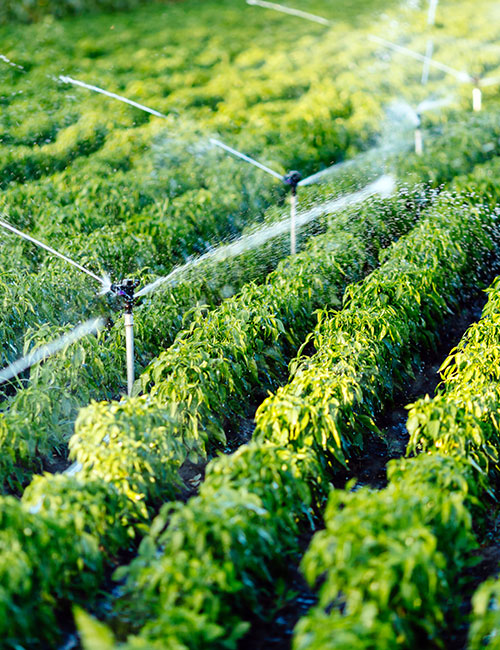
Water & Fuel Reduction
Major environmental impacts from the use of plastics include, significant reduction in fuel, water, and herbicides. Plastic sheet performs exceptionally well in preventing weed growth and maintaining soil moisture. Weed reduction is needed to eliminate root damage and increase overall plant growth. Using plastics in outdoor fields also retains soil moisture to keep fertilizer on the field when it rains, suppress weeds, dissuade pests, and retain or deflect heat to extend the growing season.
Plastics are relatively light in weight and the rolls and bags take up a lot less storage space compared to less efficient alternatives such as corrugated paper products, glass and metal. The significant reduction in weight assists in increasing storage space with more efficient transportation that leads to less fuel consumption while being transported and stored.
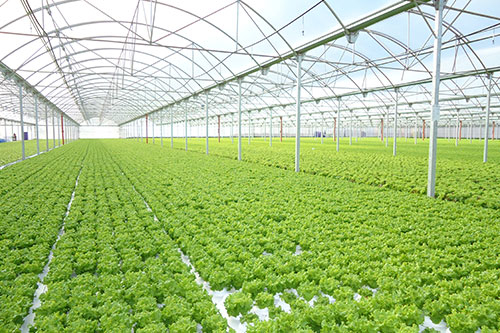
Increase Crop Yields & Extend Growing Seasons
Using plastics in controlled environments such as greenhouses more than quadruples yield and extends the growing season, so farmers are able to produce more food on less land. Plastic sheeting can be used to line roofs and walls and floors. The professional farmer can maintain optimal temperatures day and night during all four seasons by using various plastic sheeting and bags.
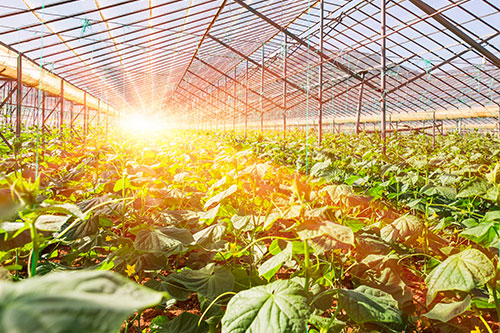
Health Benefits
Plastics in farming also provide an indirect health care benefit. A healthy food diet includes fresh affordable locally sourced fresh vegetables all year round.